✨For or Against epidurals?✨

Updated: Jul 13

Epidural is a form of pain relief during labor where medication is injected near the spine to numb the lower body.
So… am I for or against the epidural?
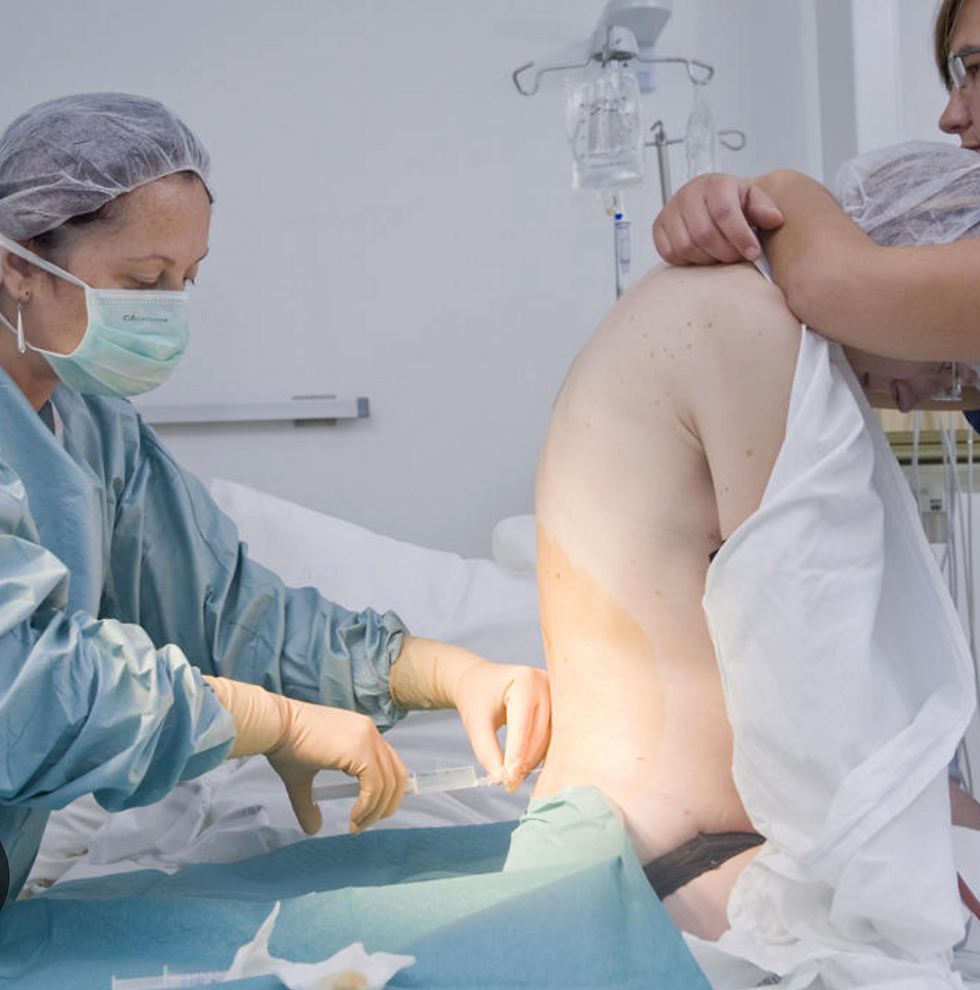
As a doula, I'm neither. I'm for YOU making informed choices.
My tip: Learn about your options, form your preferences… but prepare for all scenarios.
Here’s what you need to know (I draw these information from meta analysis of studies, you can always check the sources here and here
Benefits:
Very effective pain relief! This is the gold standard, most effective out of all medicated options (read about the pain management options available in Berlin here)
Can help you rest and sleep which can be really key for long labours or inductions!!
You may be able to control the dosage
Serious complications are rare
Risks/Consequences
Doesn’t always work (1 in 8 people report poor pain relief). It can be too weak, asymetric or too strong (feeling numbed, loosing sensation/mobility)
Increases chance of assisted birth (forceps/vacuum) and longer pushing stage (on average +1 hour)
Epidurals are linked to higher rates of C-sections and instrumental births (forceps, vacuum) and episiotomies.
Often epidurals are linked to usage of synthetic oxytocin to augment labour. Because often epidurals stall you natural labour, you need a synthetic booster. This also can have consequences on your baby's wellbeing and increase the risk of uterine hyperstimulation.
Possible side effects: low blood pressure, itchy skin, acute headache, nausea, back ache, numbness.
Leads to longer pushing stage (because epidurals numb or decrease the feelings from nerves on your cervix and pelvic tissues, can slow down labour by hindering utero-pituitary reflex)
Affects baby (the anesthesia crosses the placental barriers, so some of it gets to baby!) : fetal heart rate changes, lower Apgar scores, respiratory issues, can lead to sleepier babies right after birth with more difficulties latching/bonding...
Epidurals do not come as "standalone". They come with a whole system attached to your body, as this is a medical intervention that can have mutiple impacts on mother and baby, you will be carefully monitored. This can lead to more intervnetions.
Here are the typical satellite interventions that come with the epidural:
An IV line for fluids and medications.
Continuous fetal monitoring strapped around your belly ("CTG") because we need to see how baby is reacting to the substance
A blood pressure cuff squeezing your arm every few minutes.
A pulse oximeter on your finger.
A urinary catheter because you can’t feel when your bladder is full.
And often… a bed, because numb legs mean limited mobility. But not always! You can ask to have a low dose epidural to remain mobile, called a "walking epidural". In some places you can get a pump to manage to dosage yourself.

There is a "timing" for it: Typically it is not given at the start of labour or just before the baby is born. More commonly during active labour. Between the moment you request it and the moment it is available, and then effective, there can be a few minutes/hours depending on the clinic and availability.

Alternatives:
Delay or decline the epidural
Preparing (with your partner/doula/ in birth classes ) and trusting your body: our bodies are made to give birth without an epidural, we have the resources within us. But in some cases, for example when there are strong physical or emotional tension caused by pain, or exhaustion the epidural can become a valuable support.
Try physical, emotional, or mental comfort measures
Having a doula reduces the likelihood of requesting an epidural! Why? Because continuous support from a trusted person, professionally trained to understand the physiology of birth helps you cope with labor, on your terms.

Doula Tips: Labouring With An Epidural
When labouring with an epidural, it is important to remember that you can still be an active participant in your birth.
While your mobility may be limited, you can stay mobile in bed by using a peanut ball between your knees to keep the pelvis open, or by practicing the "roll over" changing positions from side to side every 30 to 60 minutes to help the baby navigate the birth canal. Staying mobile is super important! Your baby is trying to navigate your pelvis, a narrow passage, movement helps baby navigate and come out!

Crucially, having an epidural does not mean you are restricted to pushing on your back; with the support of your team and a doula, you can explore upright or side-lying positions that use gravity. See here for a lovely post on this
And my video tip here

What alternatives exist?
Overview of pain management methods

Anne Matei is a birth and postpartum doula based in Berlin, supporting French-, English-, and German-speaking families. She accompanies births in hospitals, birth centers, and home births alongside midwives. Read what families say about working with her in client testimonials. Feel free to get in touch to schedule a non-binding introductory call.
SOURCES


Comments